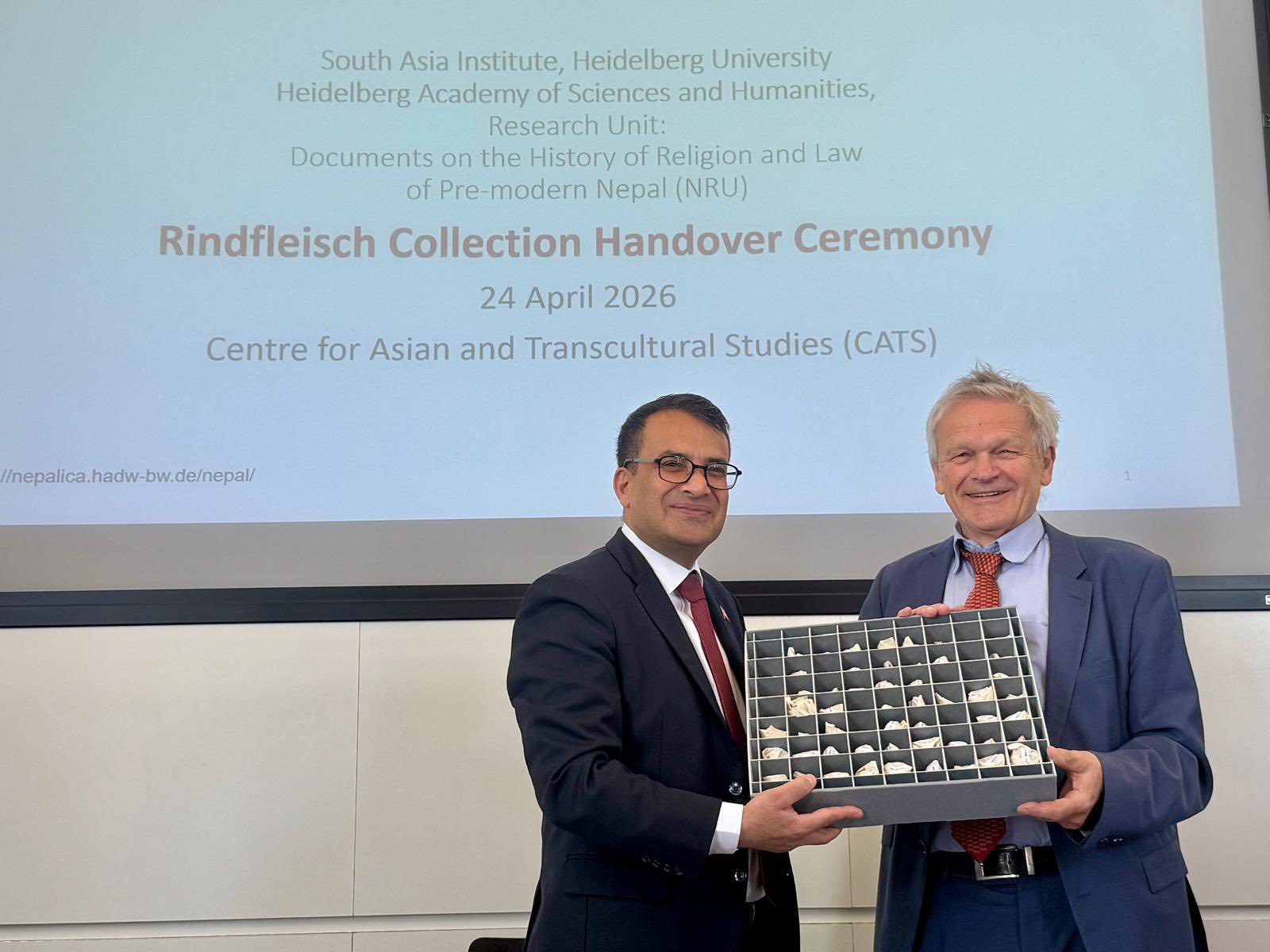

Kathmandu: Nepal is set to repatriate a significant collection of rare historical manuscripts, dating from the 13th century to 1950, currently housed at the South Asia Institute of Heidelberg University, Germany.

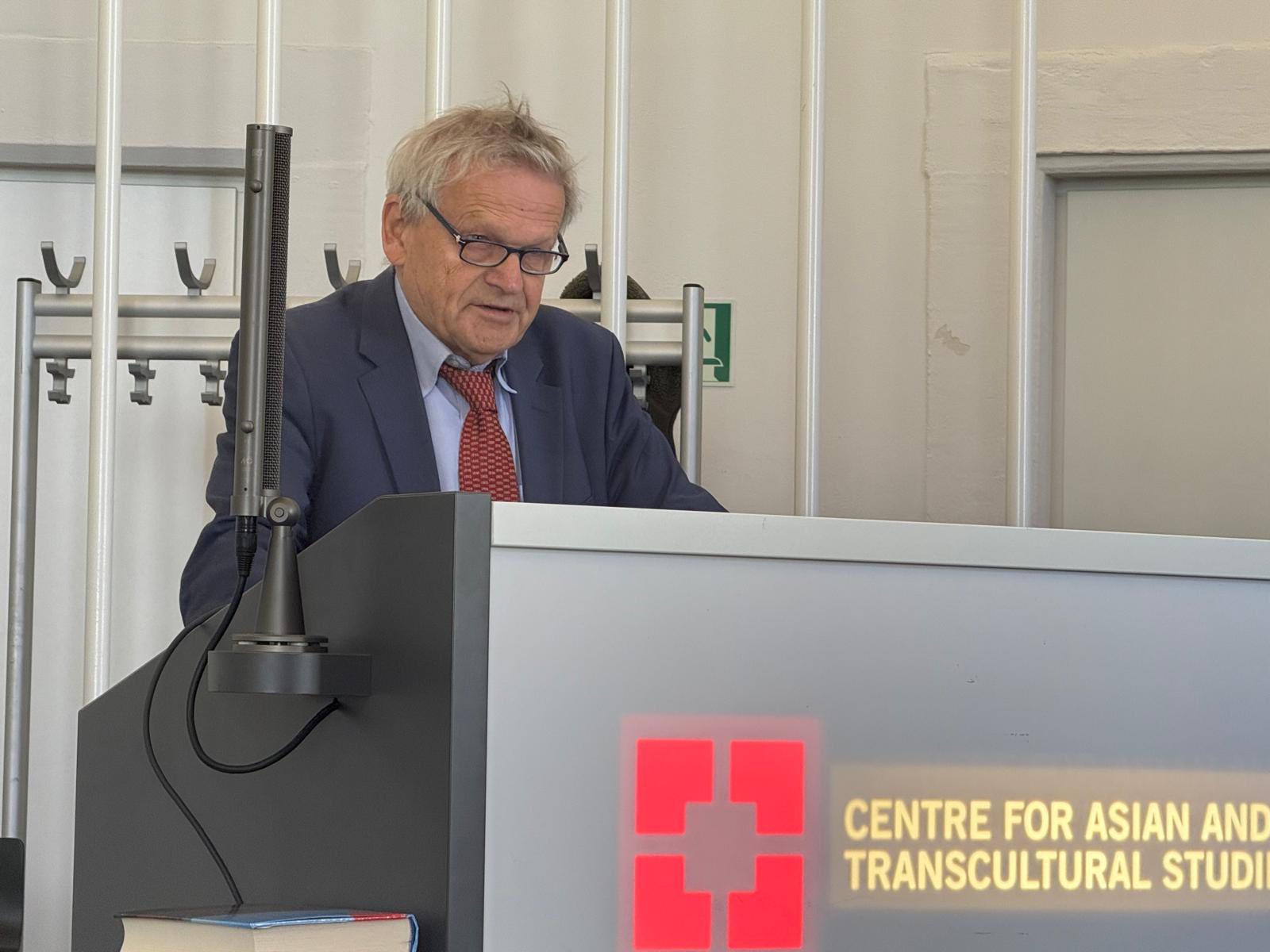
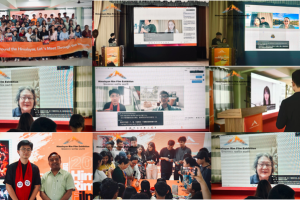
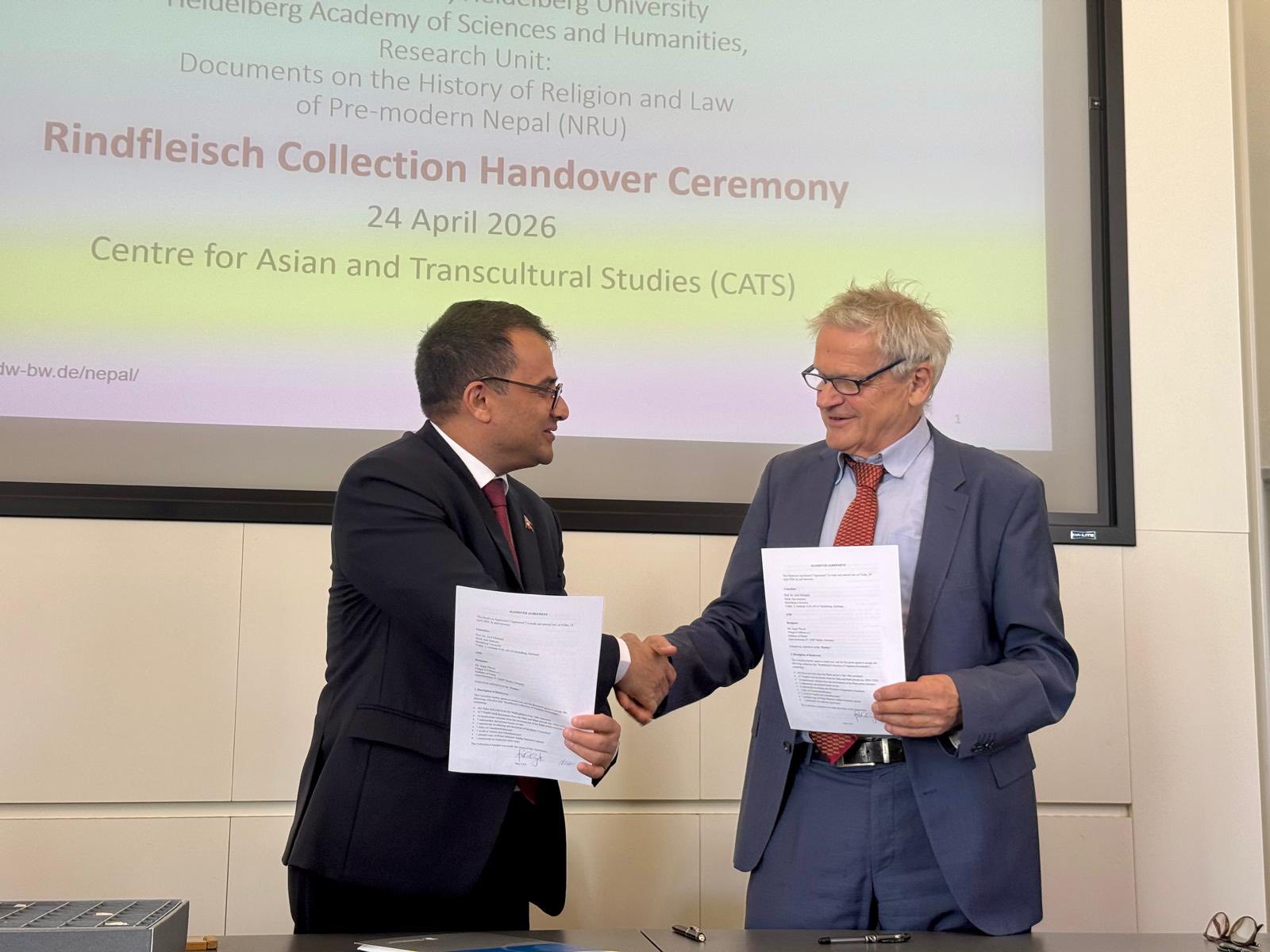
A historic handover agreement was signed last Thursday (April 23) during a special ceremony held between the Embassy of Nepal in Berlin and Heidelberg University. The agreement was signed by Mr. Sagar Prasad Phuyal, Chargé d’Affaires a.i. of the Embassy of Nepal in Berlin, and renowned cultural scholar Prof. Dr. Axel Michaels. Under this landmark accord, Nepal will receive over 800 rare historical items.
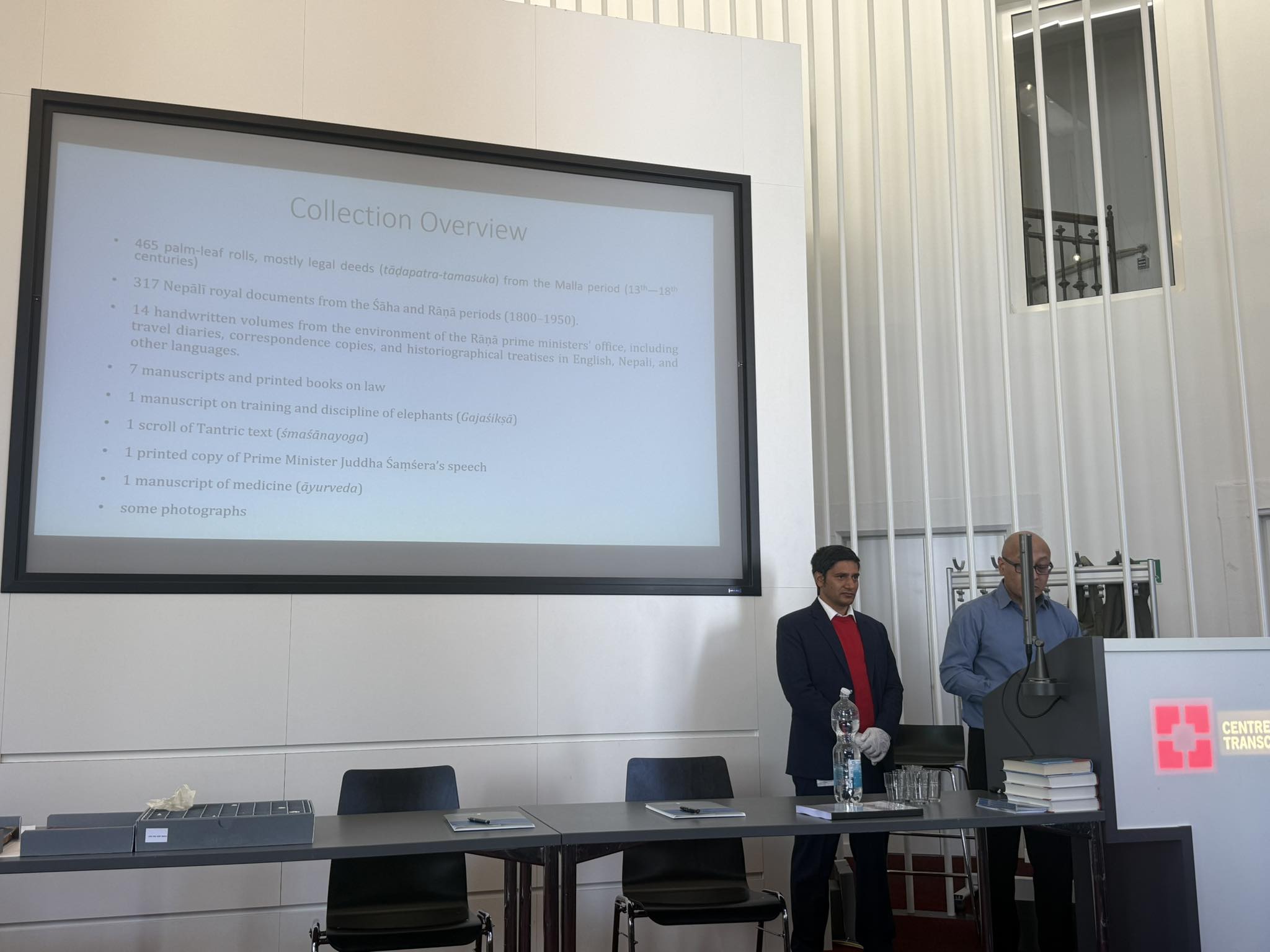
During the ceremony, Prof. Dr. Hans Harder, Head of the South Asian Institute, and Prof. Dr. Christiane Brosius commended the efforts in archiving and preserving these documents, particularly in the context of the post-2015 earthquake heritage recovery. Researchers Dr. Manik Bajracharya and Dr. Rajan Khatiwoda presented the technical process involving the acquisition, cataloging, and conservation of the collection.
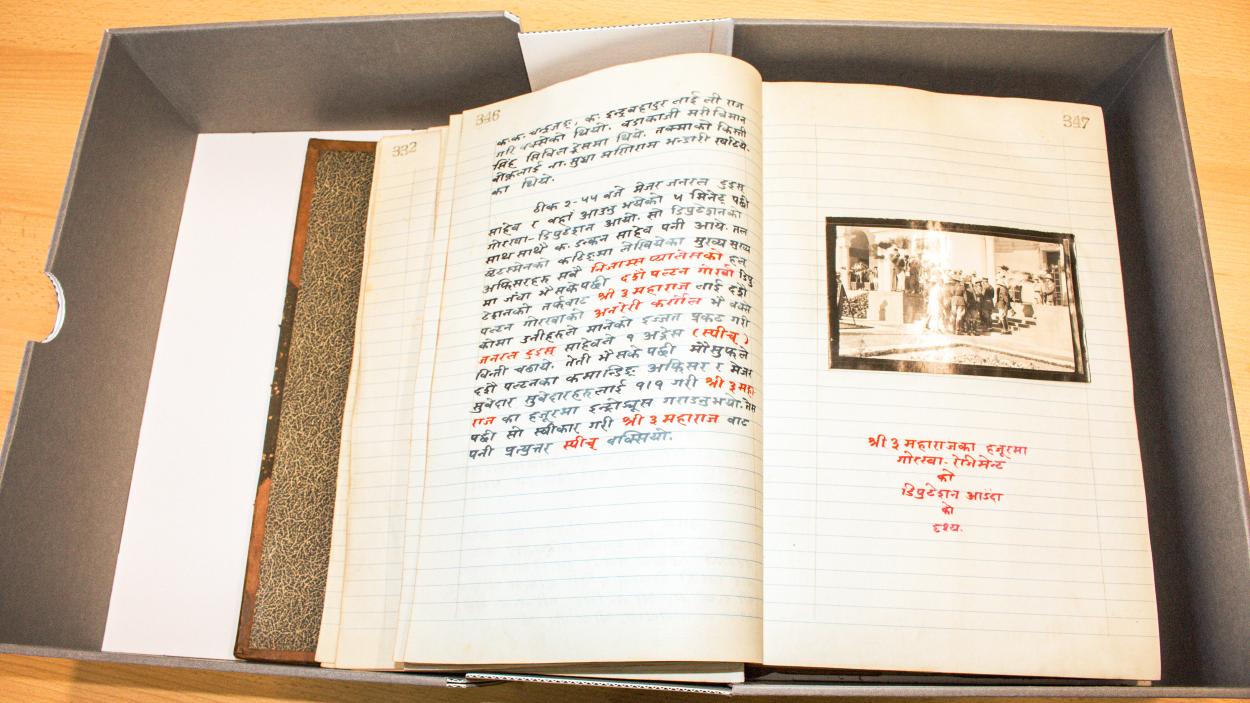
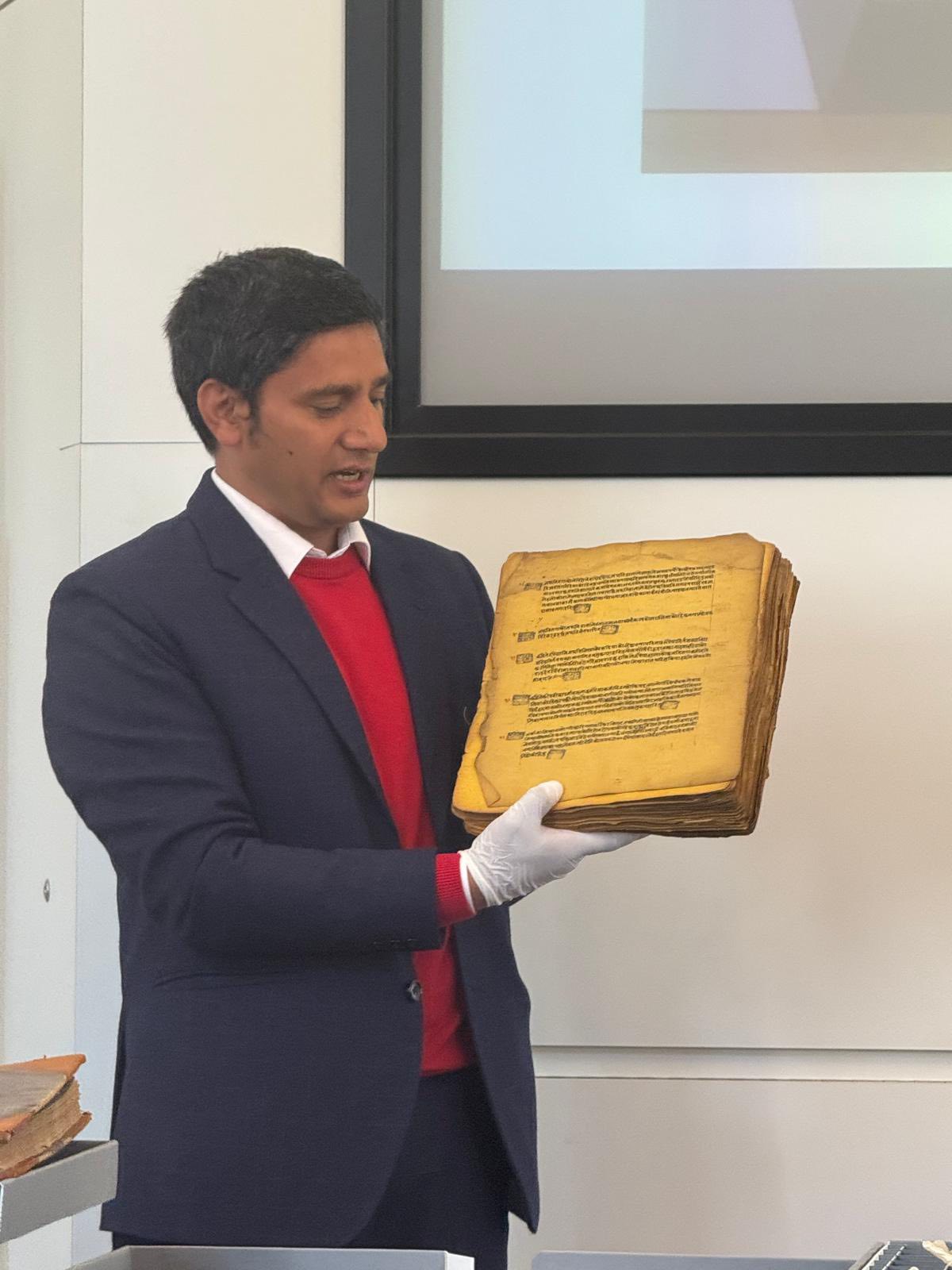
The collection, widely known as the Walter Rindfleisch Collection, comprises over 800 rare items, including:
Ancient Palm-Leaf Manuscripts: 465 highly fragile palm-leaf scrolls written in Sanskrit and Nepal Bhasha (Newari) using the Bhujimol script. Some specimens date back to the 13th century, representing the earliest recorded manuscript traditions of Nepal.
Administrative Records: 317 documents from the Shah and Rana eras (1850–1950).
Diverse Subjects: Hand-written works on the environment from the Rana period, 5 legal manuscripts, and 4 specialized treatises on medicine (Ayurveda), Tantra, political ethics, and elephant breeding (a treatise on taming wild elephants).
Personal Archives: Royal documents, court records, and personal testimonials from several centuries, including diaries and travelogues of Nepali rulers containing numerous unpublished letters, photographs, and documents.
These materials were collected in the 1980s and 90s by Joseph Peter Rindfleisch, a German businessman and philatelist. Following his death in 2002, his son expressed a desire to return these historical assets to Nepal. Consequently, the collection was placed under the guardianship of Prof. Dr. Axel Michaels in 2018 for this purpose.
Since then, Prof. Michaels has worked tirelessly toward their repatriation. The process gained momentum approximately two and a half years ago when Dr. Rajan Khatiwoda, a researcher at the Institute, established contact with Mr. Sagar Prasad Phuyal. Through Mr. Phuyal’s initiative, the then Minister for Culture, Tourism, and Civil Aviation, Badri Pandey, and the then Ambassador to Germany, Dr. Shail Rupakheti, personally observed the collection in Germany.
While various stolen idols and archaeological artifacts have been returned to Nepal in the past, this is claimed to be the first time such a large volume of historical handwritten manuscripts is being repatriated.
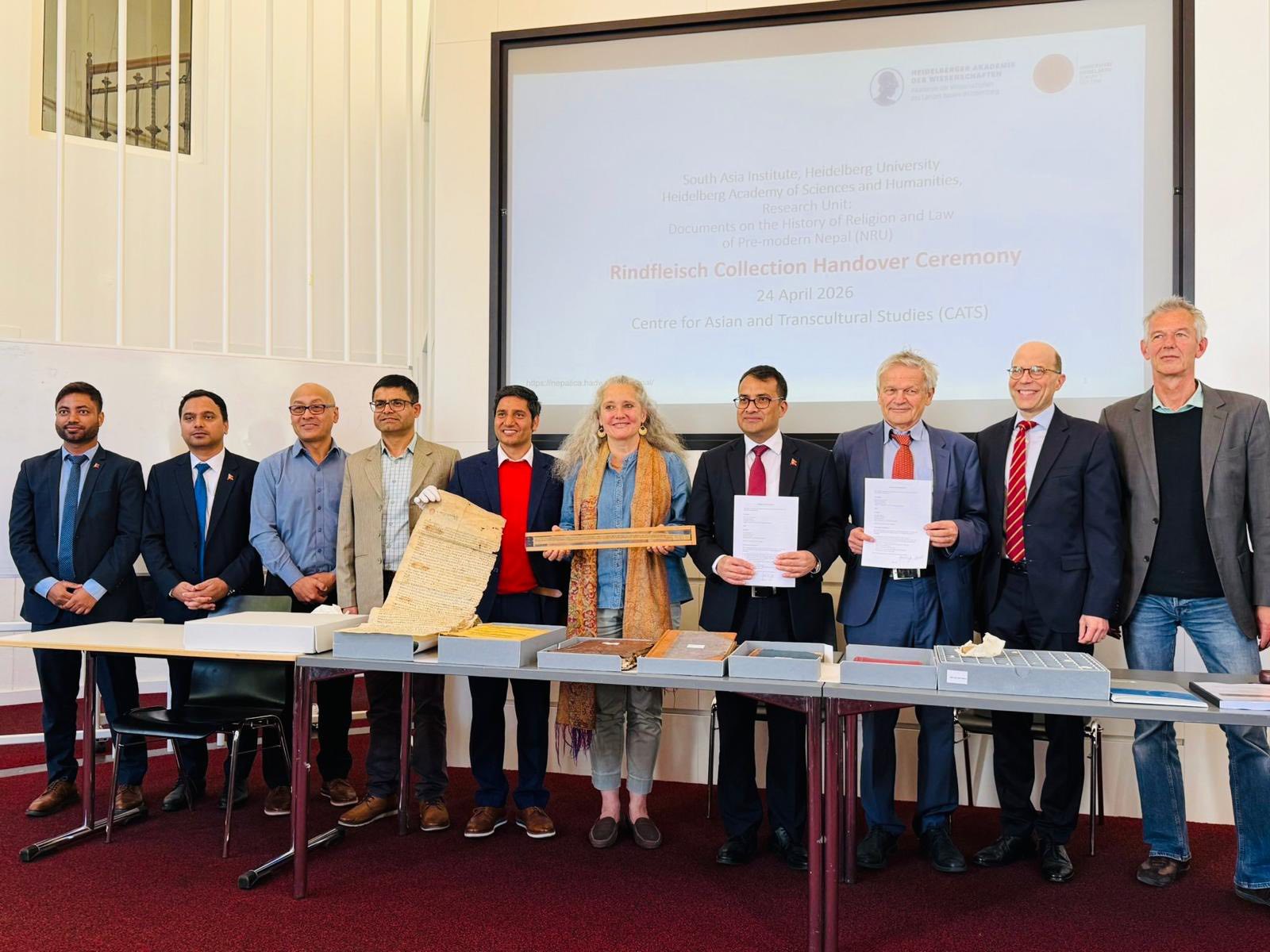
Chargé d’Affaires Sagar Prasad Phuyal stated that this step reflects a deep respect for Nepal’s cultural heritage. “After repeated efforts over a long period, this historic agreement has finally been reached. I am extremely happy and emotional,” Phuyal remarked.
In a press release issued Friday, the Embassy expressed sincere gratitude to Prof. Dr. Michaels on behalf of the Government of Nepal for his dedication to preserving and returning these 800-year-old treasures.
For Prof. Dr. Axel Michaels, who has been teaching and researching at Heidelberg since 1996, this handover is a monumental achievement. “This is likely the largest collection of Nepali palm-leaf scrolls outside the country. Its cultural and historical value is incomparable,” said Michaels, who also leads the research project “Documents on the History of Religion and Law of Pre-modern Nepal.”
Recalling the challenges, Prof. Michaels noted that when the collection reached him, there were no reliable documents regarding their original export. However, honoring the collector’s final wish, he took on the responsibility.
“It was the express wish of the collector that the manuscripts be returned. But before we could imagine their repatriation, it was mandatory to protect the fragile materials through conservation measures,” he explained. Due to age and poor storage, many items were infested with mold and insects.
To save them, every single scroll was opened, chemically cleaned under glass, and stabilized. Finally, the material was digitized and indexed with metadata. “Digitization enables global access so these resources become part of a global cultural memory. By physically returning them, we want to make historical responsibility visible and effective,” Prof. Michaels added.
This successful repatriation sets a powerful precedent for returning other Nepali manuscripts currently held in various universities and institutions worldwide.