Nepal’s Climate Crisis is a Justice Crisis: Why Young People Must Have a Voice


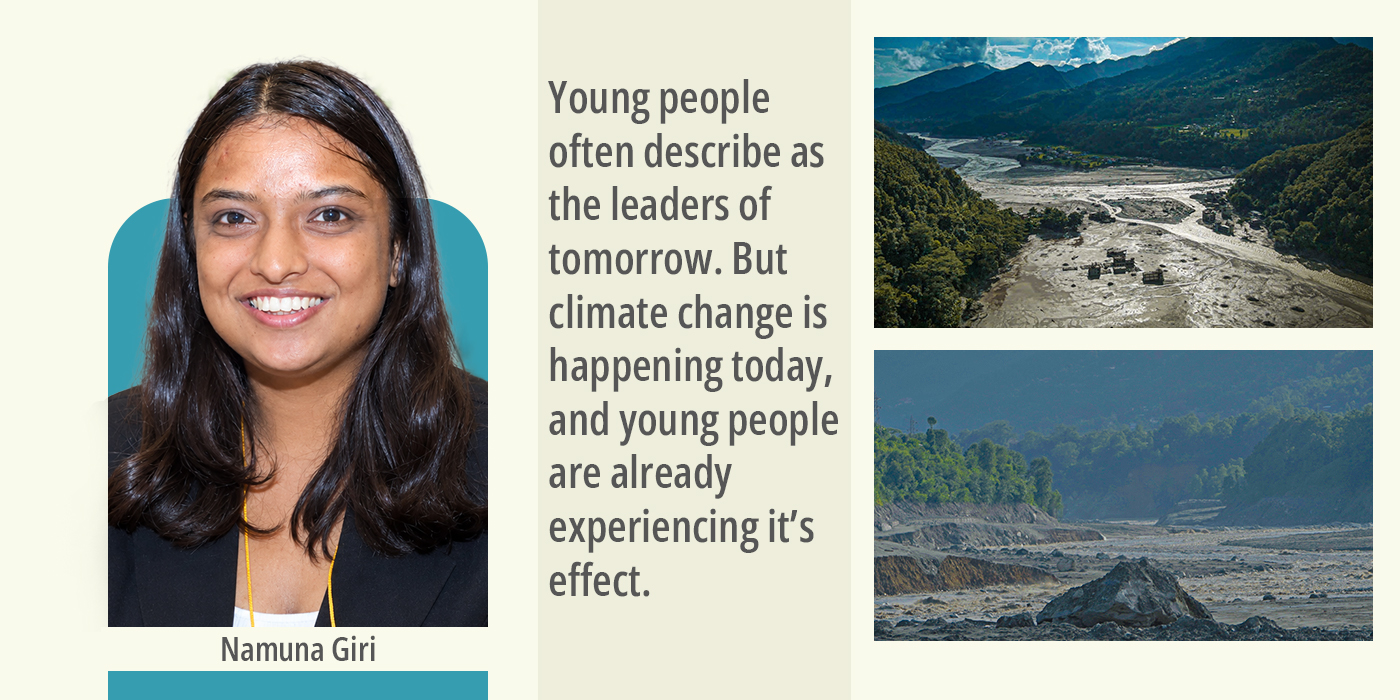

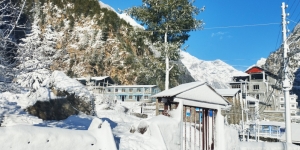
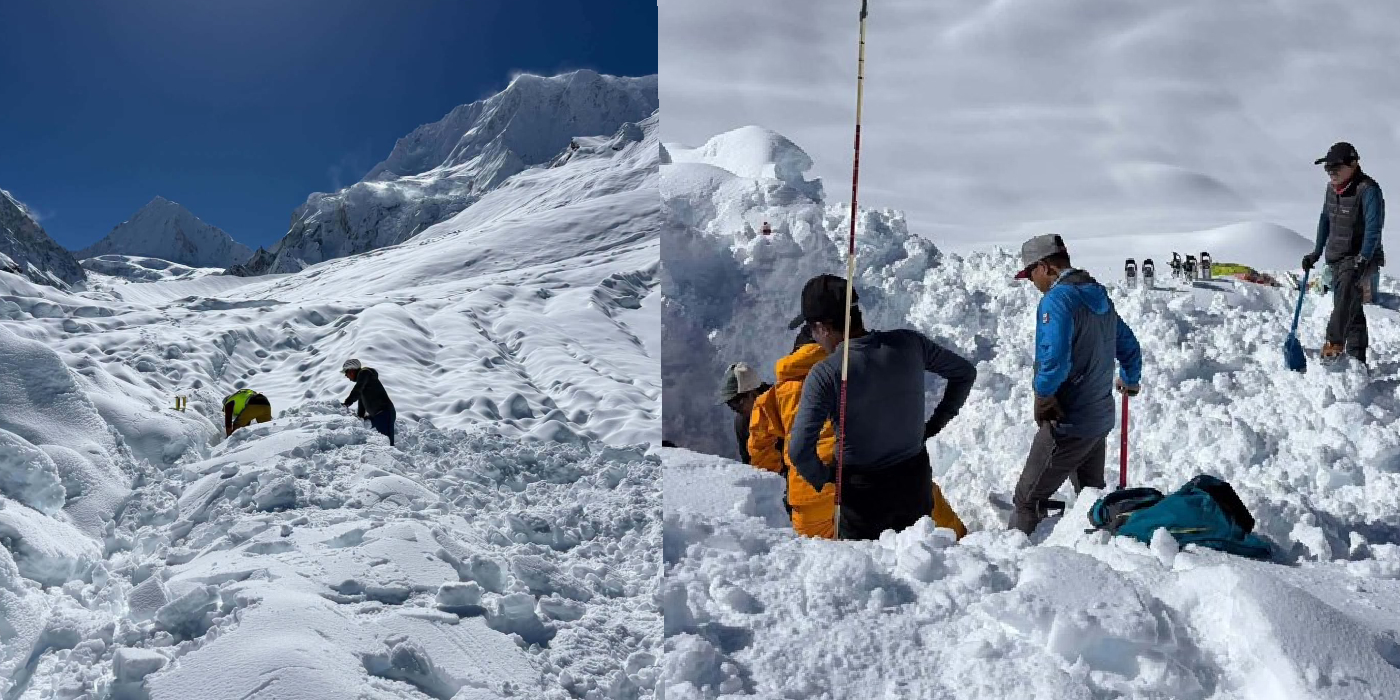
Nepal is often describe through it’s mountains, rivers and forests. But behind this beautiful landscape is a country increasingly exposed to floods, landslides, droughts, forest fires, glacier related hazard and other climate risks. For many Nepali climate change is no longer a distant environmental issue discussed at international conferences. It is becoming a reality experienced through damaged homes, disrupted livelihoods, unsafe roads, changing water sources and lost opportunities.
Nepal’s National Adaptation Plan (NAP) 2021-2050 estimates an indicative implementation cost of USD 41.4 billon, with USD 45.9 billon expected from external support. The plan identifies agricultural and food security, forest, biodiversity and watershed conservation and disasters risk reduction among the major areas requiring adaptation investment. The numbers are enormous, but behind every number is community.

Climate finance can support early warning system, resilient infrastructure, climate-smart agriculture, watershed restoration, forest conservation, disaster preparedness and livelihood diversification. It can help communities prepare for a disaster instead of receiving assistance only after their homes and livelihoods have already been damaged. However, Financing along is not enough. The question of who participates in decision about that finance is equally important.

Young people often describe as the leaders of tomorrow. But climate change is happening today, and young people are already experiencing it’s effect.

Young people often describe as the leaders of tomorrow. But climate change is happening today, and young people are already experiencing it’s effect. Students, young farmers, community volunteers, researchers and youth organizations can contribute local knowledge, innovative deas and communication skills to climate action. They should not be treated only as participants in awareness programmes but they should also have meaningful opportunities to contributing to planning, implementation and monitoring.
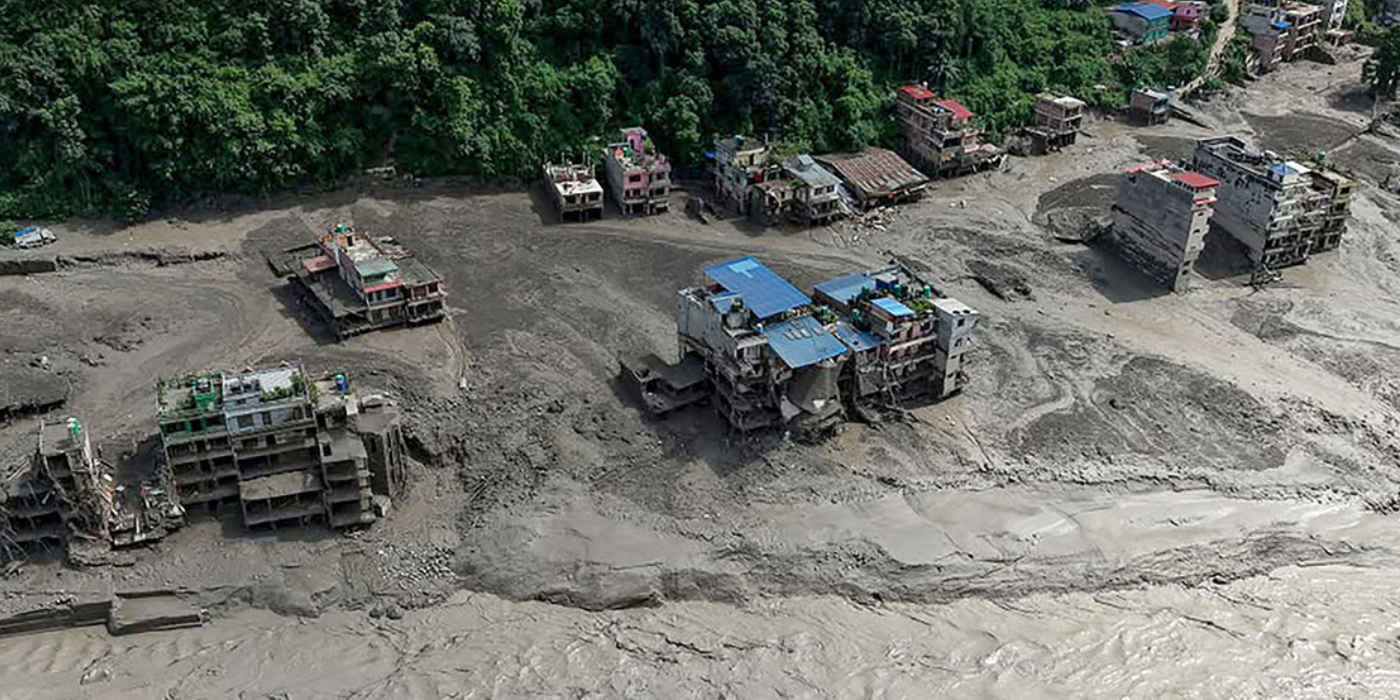
This participation must also be inclusive. Climate impacts are not experienced equally. Women , children , people with disabilities , indigenous communities, low-income households and people living in climate-sensitive locations can free different barriers during disasters and recovery Nepal’s adaptation planning it’s self recognizes the importance of people – centred and gender, equality and social – inclusion sensitive approaches, including early-warning systems that reached vulnerable communities.
As a forestry student, I see climate action as inseparable from the protection of forests, watershed and biodiversity. Nepal’s forests are not simply carbon sinks. They support water regulation, soil protection. biodiversity, livelihood and local communities. Protecting these ecosystem can therefore contribute simultaneously to climate adaptation, mitigation and community resilience.
Nepal already has example of climate – financed adaptation programs. These included projects addressing glacial lake outburst floods and climate induced flooding , climate resilience in Gandaki River Basin and resilience in the Churia region. These initiatives show that climate finance can be translated into practical action when resources, institutions and communities are connected. But the next step should be deeper accountability and stronger local participation.
We need climate finance that is accessible, transparent and responsive to needs. We need better accountability of where climate finance goes and what it delivers.
We need climate finance that is accessible, transparent and responsive to needs. We need better accountability of where climate finance goes and what it delivers. We need to catalyze adaptation finance at the local government and community levels, and not leave it to the central governments. Most importantly, we need to ensure youth participation and inclusion in these processes.
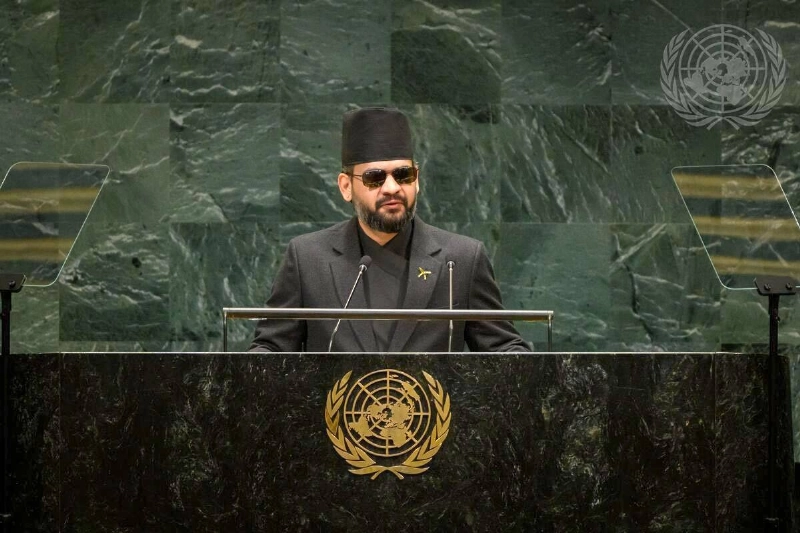
Nepal cannot address the global challenge of climate change on its own. Yet, Nepal can make a difference by showcasing an inclusive and community-centered approach to climate finance and adaptation .It means embracing the principle of climate justice, which recognizes that countries and communities have different exposures, liabilities, and adaptive capacities. It also means empowering climate justice champions and enhancing the voice of those who will be most affected by the climate change interventions.
COP can and must be more than just announcements of vague commitments. It has an opporunity to focus on delivery, leverage and partnerships to make sure that climate finance will actually get to the front lines of the climate crisis .For the youth of Nepal, this moment is about recognizing that we are not just the beneficiaries of climate action, but also active agents of change. We need to be included in climate decision-making, not only as the next generation of leaders, but also as present-day contributors to addressing the climate crisis.
COP should therefore be a space where governments not only announce commitments, but where commitments morph into finance, partnerships, accountability and action.
For young people, the message must be clear: we are not merely inheriting the climate crisis. But we are living and reacting to it. Their voices should not be invited only after decisions have occurred. They must be present at the table shaping those decisions. COP should therefore be a space where governments not only announce commitments, but where commitments morph into finance, partnerships, accountability and action.
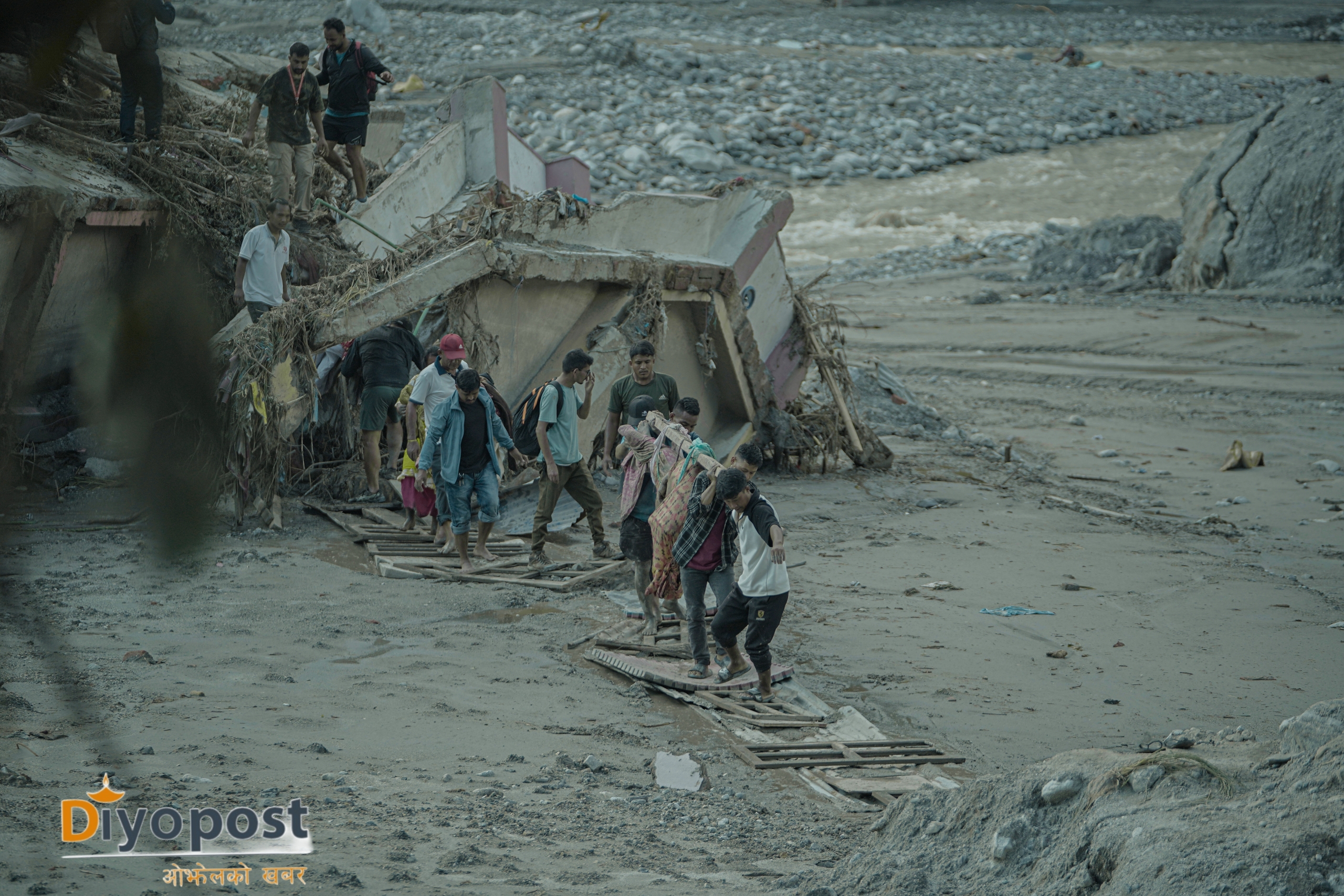
For Nepal, climate justice means making sure the communities most at risk are not overlooked, and that young people are not just the leaders of tomorrow, but partners in building a safer and more resilient future today.
The climate crisis is already here. And our response to it must be inclusive, locally-rooted and urgent.
References:
Nepal NDC 3.0 – Government of Nepal
Nepal NDC 3.0 – UNFCCC
Nepal National Adaptation Plan 2021–2050 – UNFCCC
Unpacking Climate Finance in Nepal – Oxfam
[The opinions expressed here belong to the author, Giri, who highlights the urgent need for inclusive, youth-led climate finance and local adaptation.]